
6 May 2026 · 3 min read
Protein Variety: Why Rotating Sources Matters
Stop the chicken-and-rice fatigue. A registered nutritionist on why rotating your protein sources matters more than the total grams, and how to do it without overthinking.

Ruwi
AfN Registered Associate Nutritionist (ANutr)
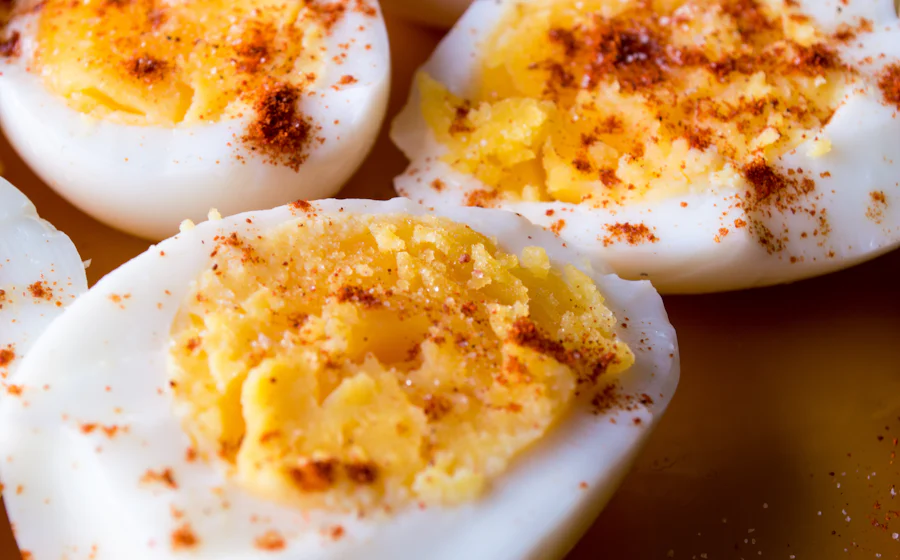 how to vary protein sources in your diet
If your protein plan is chicken, eggs, repeat, your meals will get boring long before your goals are met. Learning how to vary protein sources in your diet matters more than chasing extra grams, and it is easier than it sounds.
The bottom line
Protein foods are packages, not just grams. Beans bring fibre, oily fish brings omega-3s, red meat brings iron, dairy brings calcium. Rotating sources gets you nutrients no single food provides, and kills the boredom that kills consistency.
Why eating the same protein every day short-changes you
When you eat chicken breast five nights a week, you hit your protein target and quietly miss everything else. No fibre, because animal proteins contain none. No omega-3s, because those live mostly in oily fish. Less iron variety, less of the plant compounds that come bundled with beans and lentils. Two diets with identical protein grams can be wildly different in quality, because the rest of the package is where the difference lives.
There is a second cost: monotony. A pattern I see with clients is that the eating plan does not collapse because it was wrong, it collapses because it was boring. If you dread your own dinners, no amount of discipline saves you. Variety is not a nice-to-have, it is what makes good eating repeatable for years rather than weeks.
How to vary protein sources in your diet without overthinking it
Give the week a loose rota. You do not need a spreadsheet, just a default shape. Something like:
- Two fish meals (one oily, like salmon or mackerel, tinned counts)
- Two plant-based meals built on beans, lentils, tofu or chickpeas
- Two poultry or lean meat meals
- One wildcard: eggs, prawns, paneer, whatever you fancy
Swap half, not all. If a fully plant-based meal feels like a leap, do half and half. Half mince, half lentils in a bolognese. Half the chicken in a curry, plus a tin of chickpeas. You keep the meal you like, add fibre, and stretch the food budget at the same time. Nobody at the table will notice, and after a few weeks the half-and-half version simply becomes how you make the dish.
Stock backups that need zero planning. Variety dies on busy nights, so make the lazy option varied by default. Tinned tuna, sardines and mackerel, frozen prawns, frozen edamame, tins of mixed beans, a block of feta. All of it sits happily in any Tesco, Sainsbury's or Aldi basket and keeps for ages.
When this is something more
If your protein options feel narrow because eating other foods causes symptoms like pain, bloating or reactions, see your GP rather than restricting further on your own. The same goes if the narrowing is about fear of foods rather than preference, which is worth raising honestly with your GP or a therapist. And if you eat fully plant-based, B12 is not optional: a supplement or reliably fortified foods, ideally with guidance from a dietitian.
Quick answers
Is plant protein as good as animal protein?
Eaten across a varied day, plant proteins absolutely support muscle and health, and they bring fibre that animal proteins lack. You do not need to combine them at the same meal, variety over the day covers it.
How many different protein sources should I eat in a week?
There is no magic number, but aiming for roughly four to six different sources across the week (including some fish and some plants) is a realistic, useful target.
Do I need protein powder?
No. It is a convenience, not a requirement. If real meals cover your needs, powder adds nothing except speed on rushed mornings.
Written by Ruwi
AfN Registered Associate Nutritionist (ANutr). 1:1 nutrition coaching for busy women, 100% online from London, in the UK and worldwide.
Keep reading



Get the next post by email
Practical nutrition for busy women, straight from Ruwi. No spam, unsubscribe anytime.
Want help with this in real life?
1:1 nutrition coaching for busy women in London and across the UK. Free 30-minute video call, no pressure either way.