
2 May 2026 · 3 min read
Salad Isn't Fibre: The Veggie Myth You Believe
A bowl of salad is not the fibre hit you think it is. A nutritionist on what counts as fibre, why leafy greens fall short, and the swaps that actually move the needle.

Ruwi
AfN Registered Associate Nutritionist (ANutr)
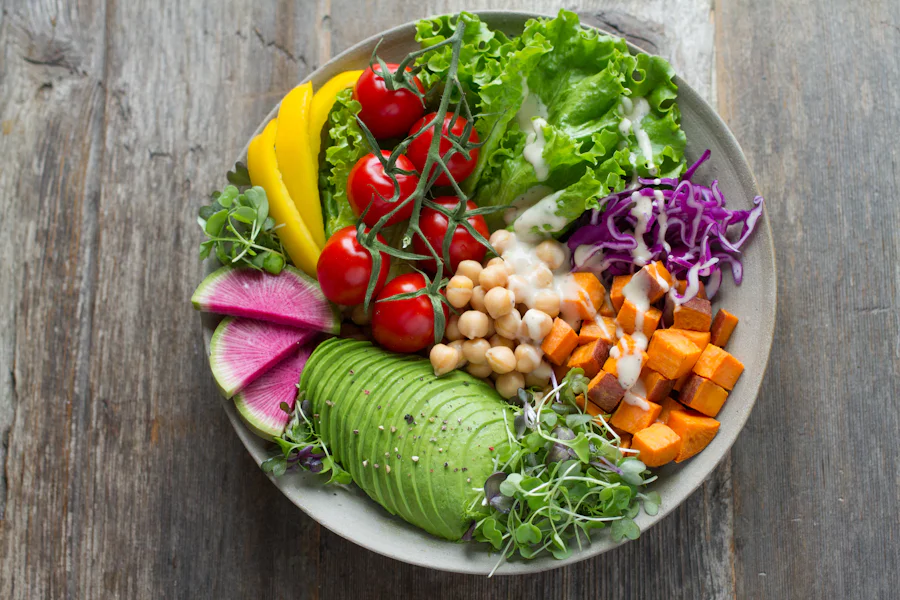 does salad have fibre
You order the salad, eat the whole bowl, and assume you have ticked the fibre box for the day. If you have ever typed does salad have fibre into Google, the honest answer is barely, and that gap explains more than you might think.
The bottom line
Leafy salad is mostly water. Lettuce gives you around 1g of fibre per 100g, and the UK recommendation is 30g a day. Salad is a fine start, but beans, wholegrains, fruit and vegetables with some substance are what actually close the gap.
So, does salad have fibre at all?
Technically, yes. But lettuce, cucumber and tomato are all over 90 percent water, which is why they are so light and so low in calories. A generous bowl of mixed leaves might give you 1 to 2g of fibre in total. For context, a big bowl of leaves often contains less fibre than one slice of wholemeal bread. That is not a reason to stop eating salad. It is a reason to stop relying on it.
The confusion comes from how we have been taught to think about food. Diet culture trained us to equate green with healthy, and healthy with complete, so a salad feels like it must be doing everything. Meanwhile, most UK adults get around 20g of fibre a day against the 30g target. If leaves are your main vegetable, that gap stays open, and you often feel it as constant hunger between meals and a gut that never seems quite settled.
How to actually get to 30g a day
Add half a tin of beans, lentils or chickpeas to the salad you already eat. This one move adds around 5g of fibre, plus protein, and turns a side into a meal that actually keeps you full. Tinned, drained, done. No cooking required, and a tin costs less than a coffee in any UK supermarket.
Make your default carbs wholegrain. Wholemeal bread instead of white, brown or wholewheat pasta instead of regular, oats at breakfast. You are not eating more food, just switching to versions of things already in your basket at Tesco or Aldi.
Front-load your day. If breakfast brings 8 to 10g of fibre, you are a third of the way there before lunch. Porridge with berries and a spoonful of chia or ground linseed gets you close on its own. Some rough numbers to build with:
- Half a tin of chickpeas: around 5g
- 40g of porridge oats: around 4g
- Two slices of wholemeal bread: around 5g
- 100g of raspberries: around 6g
- 80g of frozen peas: around 4g
- A pear, skin on: around 3g
When this is something more
If you increase fibre and get persistent bloating, pain or a clear change in your bowel habits, or if you ever notice blood, do not push through and do not self-diagnose. Book a GP appointment. And if you have a diagnosed gut condition such as IBS, fibre advice needs personalising by a registered dietitian, not a blog post. Go slowly, drink more water as you increase fibre, and get checked if something feels off.
Quick answers
Which salad vegetables actually have decent fibre?
Peas, sweetcorn, avocado, raw carrot and beetroot all beat leaves comfortably. Build your salad around those and treat the leaves as the base, not the point.
How much fibre do I need per day in the UK?
The UK recommendation for adults is 30g a day. Most of us get around 20g, so there is usually real room to improve.
Can I get enough fibre without eating salad at all?
Easily. Wholegrains, beans, lentils, fruit, nuts and seeds can get you to 30g without a single lettuce leaf involved.
Written by Ruwi
AfN Registered Associate Nutritionist (ANutr). 1:1 nutrition coaching for busy women, 100% online from London, in the UK and worldwide.
Keep reading


Get the next post by email
Practical nutrition for busy women, straight from Ruwi. No spam, unsubscribe anytime.
Want help with this in real life?
1:1 nutrition coaching for busy women in London and across the UK. Free 30-minute video call, no pressure either way.